Insights
Motor Control for Dewatering, Conveyors and Ventilation in Mining
July 13, 2026Across Australian mining operations, motor-driven systems are expected to handle changing conditions without interrupting production.
Dewatering pumps respond to variable inflows, conveyors deal with inconsistent material feed and ventilation systems must maintain airflow as the mine develops whilst managing overall site energy usage and overall site power requirements. These systems rarely operate at a single fixed point, and how they are controlled has a direct impact on reliability and performance.
Variable Speed Drives (VSDs) are applied to adjust motor speed in line with operating demand, allowing these systems to respond more effectively to real conditions.
Responding to changing site conditions
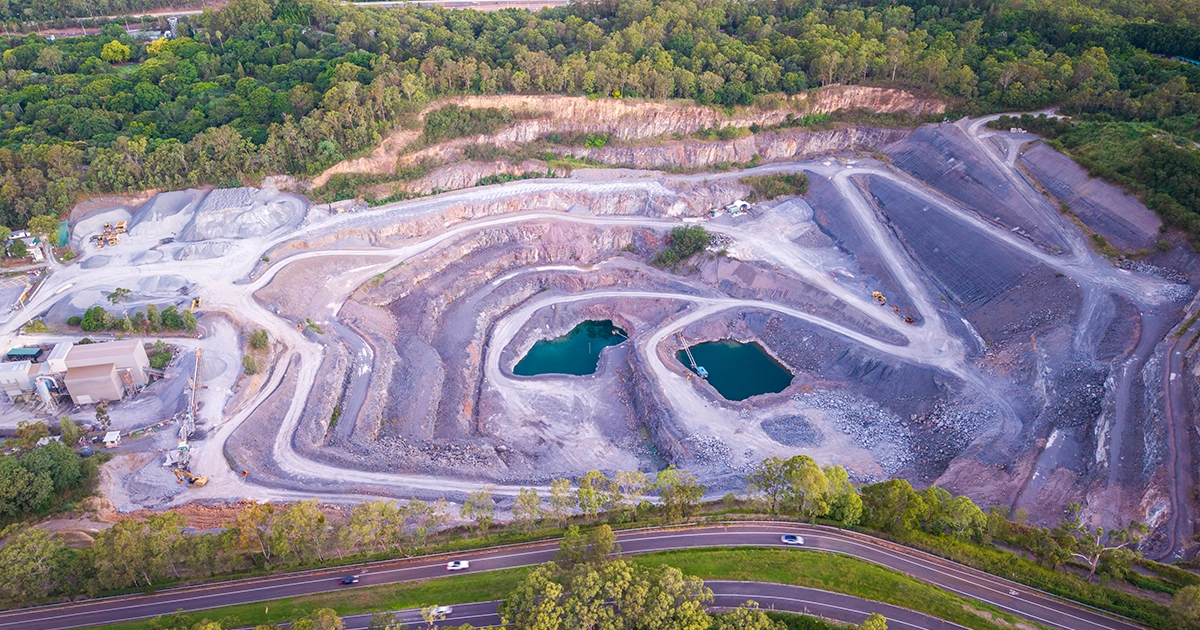
In practice, mining environments are dynamic. Water ingress can switch quickly, production rates vary across shifts, and ventilation requirements change as new areas are opened or extended. Fixed-speed operation does not account for these variations, which can lead to inefficiencies and unnecessary strain on equipment.
A VSD allows the motor to respond to what the system requires at any given time. Instead of running at full output, speed is adjusted to match the load. This results in smoother operation and reduces the impact of sudden changes across the system.
This approach is particularly valuable where conditions are unpredictable or where maintaining steady operating parameters is critical to safety and continuity.
Soft starters may still be used where the requirement is limited to controlled starting. By ramping voltage gradually at startup, they limit inrush current which can reach six to eight times the full-load current on a direct-on-line start reducing the electrical stress on switchgear, cables and transformers. This is particularly relevant on sites with limited generator or transformer capacity, where high inrush events can cause voltage dips that affect other loads on the same distribution network. Where continuous speed variation is not required, a soft starter offers a cost-effective way to protect both the motor and the upstream electrical system.
Electrical benefits beyond speed control
The operational benefits of VSDs are closely tied to their electrical characteristics. Because a VSD controls motor speed by varying the frequency and voltage supplied to the motor, it fundamentally changes how the motor interacts with the electrical distribution system with effects that extend well beyond the drive itself.
On startup, a VSD ramps the motor up gradually, eliminating the high inrush current associated with direct-on-line starting. This protects switchgear, cables and transformers from repeated electrical stress and reduces the risk of voltage dips that can affect other equipment sharing the same distribution network—a common issue on remote mine sites supplied by generators or long HV feeders.
Energy consumption is also directly affected. Because power drawn by a centrifugal load such as a pump or fan follows the cube law, a relatively small reduction in speed produces a proportionally larger reduction in power. Running a pump at 80% speed, for example, requires only around half the energy of full-speed operation. Across continuous-duty applications like dewatering and ventilation, this can represent a meaningful reduction in operating costs over time.
Power factor is another consideration. Standard induction motors operating at partial load draw a lagging power factor, which increases the reactive current burden on the electrical network. A VSD correctly matched with active power correction and/or power factor correction can improve the overall power factor of the installation, reducing losses in cables and transformers and, where applicable, avoiding utility penalties for poor power factor. This is particularly relevant on sites where multiple large motors operate simultaneously.
Dewatering that reflects real inflow
Dewatering systems are often exposed to fluctuating inflow, particularly in open cut environments and during wet conditions. Running pumps continuously at full speed can result in excessive cycling or over-pumping, both of which affect equipment life and system stability.
With a VSD, pump speed can be adjusted to maintain target levels more consistently. This reduces the need for repeated starts and stops and allows the system to settle into a more stable operating range.
Where multiple pumps are installed, speed control also supports better coordination between units. Instead of operating independently at fixed output, pumps can share the load in a more controlled way.
Conveyors aligned with material flow
Conveyors are directly influenced by upstream processes, and material flow is rarely uniform. Variations in feed can lead to uneven loading, which affects belt performance and downstream handling.
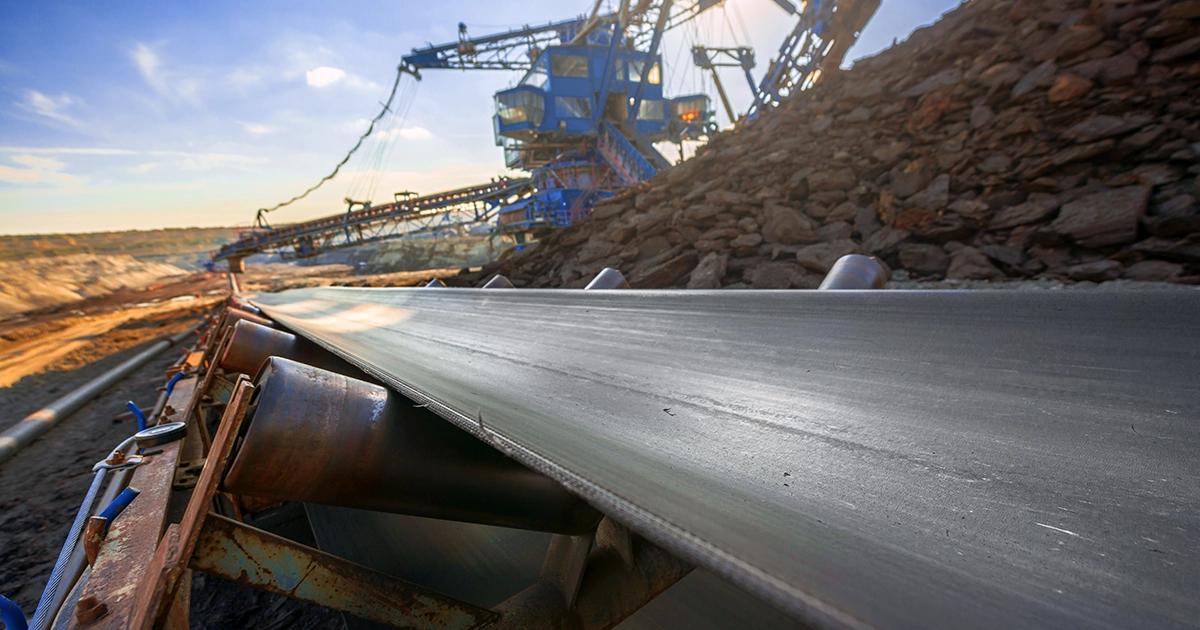
Applying a VSD allows conveyor speed to track changes in throughput. This helps maintain a more consistent material flow and reduces stress during startup, particularly when the belt is under load. It also provides greater flexibility when coordinating with other equipment. Adjusting conveyor speed to suit operating conditions supports smoother transitions across the process, rather than relying on fixed-speed equipment to absorb variation
Ventilation matched to mine development
Ventilation requirements evolve as mining progresses. As new headings are driven or additional areas are opened, airflow resistance changes and the system must adjust to maintain safe conditions.
VSDs allow fan speed to be varied to match these requirements. This provides a more direct and controlled way to manage airflow compared to fixed-speed operation.
In practice, this supports gradual adjustments as conditions change, helping maintain consistent airflow without introducing instability into the system.
Ventilation on Demand (VOD) takes this further by linking fan speed directly to real-time data from within the mine. Rather than running ventilation at a fixed or manually adjusted level, a VOD system uses inputs such as vehicle location tracking, gas monitoring and occupancy detection to determine where airflow is needed and when the fans can ramp down. VSDs are the enabling technology that makes this possible without the ability to vary fan and auxiliary booster speeds dynamically, the system has no practical way to act on the information that is available.
The energy savings from VOD can be substantial. Ventilation typically accounts for a significant portion of a mine’s total energy consumption and running fans at reduced speed during periods of low activity shift changes, blast clearance, areas not currently occupied directly reduces that load. Combined with the cube law relationship between fan speed and power, even moderate reductions in average operating speed translate to meaningful savings across the operating year.
From a safety and compliance perspective, VOD also provides a more auditable and responsive approach to managing air quality. Rather than relying on conservative fixed airflow settings designed for worst-case conditions, the system can respond to actual contaminant levels and personnel locations, maintaining regulatory compliance while avoiding unnecessary over-ventilation. This is increasingly relevant as mines go deeper and the cost and complexity of ventilation infrastructure grows.
Designed for mining environments
Applying Motor Control effectively is not just about selecting the drive. It requires consideration of how the system will perform on site, including electrical integration, environmental conditions and control strategy.
Mining environments introduce challenges such as heat, dust and vibration, all of which influence equipment selection and installation. Integration with existing infrastructure is also critical, particularly where systems must align with established control platforms and operating practices.
Applying experience in the field
Motor control strategies are shaped by how systems operate in real conditions, not just design assumptions. CSE Uniserve draws on experience across Australian mining operations to deliver motor control solutions that reflect this reality.
This includes design, engineering, installation and commissioning, ensuring each system is configured to suit the specific application and site conditions. Attention is given to how the drive integrates with existing electrical and control systems, so that it supports, rather than disrupts, ongoing operations.
The result is a considered approach to motor control that improves how dewatering, conveying and ventilation systems respond to change, supporting safe and stable operation across the site.
If you’d like to discuss a tailored motor control solution for your operations, reach out to our specialist team.