
Insights
Transformer Health Made Actionable Using Online Condition Monitoring
February 19, 2026For Australian Transmission Network Service Providers (TNSP), transformers are among the most valuable and mission-critical assets in the network. Their reliability underpins the stability of the grid, and any failure can have far-reaching consequences for service continuity and operational costs.
Australia’s TNSPs face unique challenges. Harsh environmental conditions, ageing infrastructure and the sheer scale of the network make asset management complex and expensive. Traditional inspection methods, while valuable, often leave operators reacting to problems that have been degrading asset health for some time rather than identifying and mitigating problems early before they cause significant damage. In this environment, protecting transformer health is not just a maintenance task, but a strategic priority.
The Challenge of Maintaining Transformer Fleets
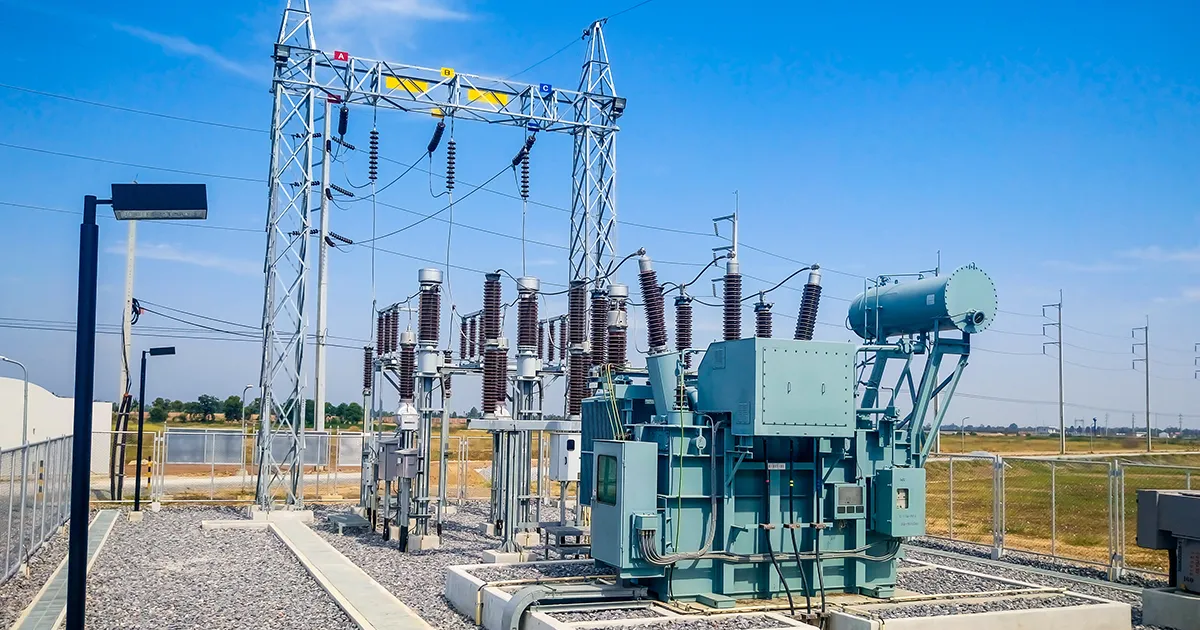
Transformers can fail for a range of reasons, from insulation breakdown to bushing or winding issues. For operators managing geographically dispersed fleets, the challenge is compounded by ageing infrastructure, remote locations and limited resources for rapid response. Without real-time insights, maintenance strategies often rely on scheduled inspections or reactive repairs, which can lead to unnecessary costs and increased risk.
What is Online Condition Monitoring?
Online condition monitoring uses permanently installed sensors to capture key operating parameters such as temperature, load and dissolved gas concentration. This continuous monitoring of transformer health allows an alarm to be raised as soon as a problem is detected, enabling operators to detect anomalies early, assess asset health in real time and make informed decisions about maintenance. Rather than reacting to failures, utilities can adopt a proactive approach that reduces unplanned downtime and extends asset life.
Why It Matters for Australian Utilities
The benefits of online condition monitoring go beyond convenience as they directly impact reliability, safety and cost efficiency:
- Improved reliability and grid stability: Early detection of emerging issues helps prevent catastrophic failures that could disrupt supply across vast regions. For transmission operators, this means fewer outages and greater confidence in network performance.
- Cost efficiency and asset longevity: Condition-based maintenance reduces unnecessary interventions and delays expensive replacements. By identifying problems before they escalate, operators can optimise budgets and extend the life of ageing assets.
- Operational resilience in remote areas: Many transformers are located in isolated regions where access is challenging and response times are long. Real-time visibility allows operators to make informed decisions without waiting for physical inspections, reducing the risk of prolonged outages.
- Enhanced safety and compliance: Monitoring critical indicators such as dissolved gas levels and temperature trends helps mitigate risks associated with equipment failure, supporting compliance with stringent safety standards.
- Data-driven asset management: Continuous monitoring provides actionable insights that feed into broader asset management strategies, enabling utilities to prioritise investments and plan maintenance with precision.
For Australian TNSPs, these benefits translate into tangible improvements in reliability, efficiency and sustainability. As utilities continue to strengthen their approach to condition-based maintenance, certain monitoring techniques are proving especially valuable for improving transformer visibility and reducing operational risk across dispersed networks.
Technology Focus: DGA and Bushing Monitoring
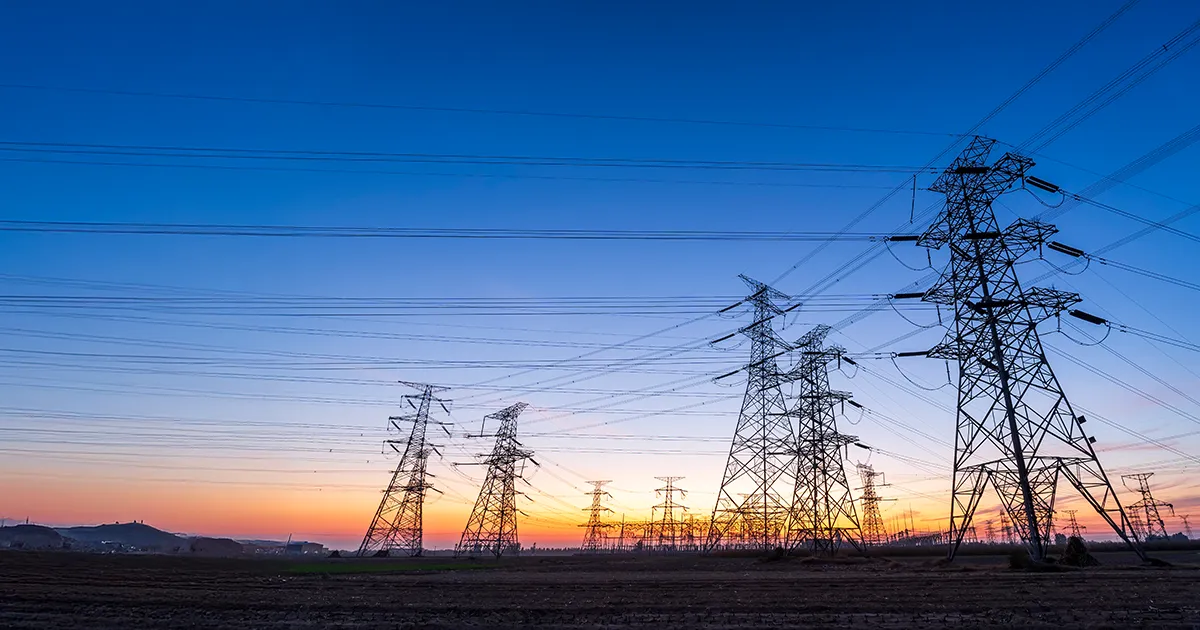
Two of the most widely used approaches are dissolved gas analysis (DGA) and bushing monitoring. Both provide continuous insight into the parts of a transformer that are most likely to show early signs of deterioration, making them important tools for operators managing large fleets across long distances.
For fleets spread over wide geographic areas, DGA and bushing monitoring offer early indications of changes that routine inspections may not capture in time. Tracking conditions continuously rather than relying on periodic checks means developing issues can be identified earlier and addressed during planned work instead of becoming urgent failures. This helps keep transformers available, reduces call outs to remote sites and improves safety by dealing with problems before they escalate. It also supports more precise maintenance planning, as teams can focus on the assets that genuinely need attention.
Used together, DGA looks inside the transformer while bushing monitoring checks the key external connections. The combination strengthens first line protection against common failure types and helps Australian utilities prioritise people and budgets where they will make the most difference.
Partner with CSE Uniserve
CSE Uniserve works closely with utilities to deliver tailored solutions that make transformer health actionable. Through strong partnerships and deep technical expertise, we integrate world-class monitoring technologies with full implementation and support services. Our goal is to help customers achieve greater reliability, efficiency and confidence in their operations.
To learn more about how online condition monitoring can transform your approach to asset health, contact CSE Uniserve today.